Overview
The University Institute of Engineering and Technology (UIET), Guru Nanak University, is dedicated to shaping future-ready engineers through a holistic and industry-aligned education. The institute emphasizes strong academic foundations, innovation, ethics, and global competence, enabling students to become responsible professionals and leaders in technology and research.
Highlights
- Strong foundation in Science and Mathematics
- Industry-relevant curriculum aligned with current and future demands
- Hands-on learning through projects, labs, and experiential education
- Focus on innovation, entrepreneurship, and startup incubation
- Access to Research & Technology Development Centers and Centers of Excellence
- Advanced infrastructure with modern laboratories and smart classrooms
Vision
To empower the next generation of tech leaders and transform lives through exceptional Computer Science and Engineering education, research, and innovation, producing socially responsible and entrepreneurial leaders who transform the world through technology.
Mission
- To support industry, government, society, and the scientific community by pursuing innovative research and new technologies in computer science, engineering, and other fields.
- To create Industry–Institute interaction in order to prepare students for work in an industrial environment.
- By establishing Centers of Excellence, to create a climate that encourages academics to work on and guide students in progressive and convergent research areas.
ABOUT THE PROGRAM
Course Description
The Computer Science and Engineering program focuses on computing fundamentals, programming, data structures, software engineering, databases, operating systems, artificial intelligence, machine learning, networking, and emerging technologies. The program integrates theory with practical exposure, research, and industry interaction.
Program Duration
- B.Tech (CSE): 4 Years (Full-Time)
- M.Tech (CSE): 2 Years (Full-Time)
- Ph.D (CSE): Full-Time / Part-Time
Courses Offered
| S. No | Course | Specialization | Category | Course Duration (Years) | Course Type |
|---|---|---|---|---|---|
| 1 | B.Tech | Computer Science & Engineering | U.G Program | 4 | Full-Time |
| 2 | M.Tech | Computer Science & Engineering | P.G Program | 2 | Full-Time |
| 3 | Ph.D | Computer Science & Engineering | — | — | Full-Time / Part-Time |
Eligibility
Admissions are as per University, AICTE, and Government norms.
Course Objectives
- Build strong foundations in science, mathematics, and engineering
- Develop critical thinking and problem-solving skills
- Promote ethical leadership and professional responsibility
- Enhance effective communication skills (LSRW)
- Prepare students for global and multicultural work environments
Faculty Members
| Description | Photo |
| Prof. (Dr.) Sanjeev Shrivastava is currently working as Director, University Institute of Engineering and Technology and Professor of Computer Science & Engineering. He has more than 29+ years of teaching, research, industry and administrative experience out of which 18+ years experience as Professor of Computer Science & Engineering. | 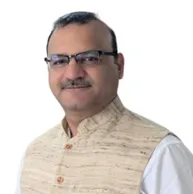 |
| Mrs. Divya Boddukoori is an Assistant Professor and In-Charge Head of the Computer Science and Engineering Department at the University Institute of Engineering & Technology (UIET), Guru Nanak University. With 11 years of teaching experience, she holds a B.Tech in Information Technology and an M.Tech in Computer Science, and is currently pursuing a Ph.D. at Lovely Professional University. Her research focuses on machine learning, deep learning, and healthcare applications. She has published six research papers and holds three patents. | 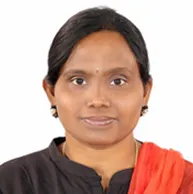 |
| Mr. Mohd Ilyas Qadri is an Assistant Professor in the Department of Computer Science and Engineering. He holds a B.Tech from BIET, Jhansi, and M.Tech from JMI, New Delhi. Passionate about student success, he mentors learners in Data Structures, Networks, OS, DBMS, and Compiler Design, with research in Machine Learning and Deep Learning. |  |
| Mr. Shahid Amir have completed my M.Tech in Computer Science & Engineering (CSE), equipping me with a strong foundation in both theoretical and practical aspects of computer science. During my academic tenure, I gained proficiency in various areas such as data structures, algorithms, software engineering, machine learning, and artificial intelligence. I am adept at applying problem-solving kills to develop optimized solutions across multiple domains of technology. | 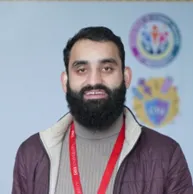 |
| Mr. Ashish Kumar is an Assistant Professor of Computer Science and Engineering at the University Institute of Engineering and Technology (UIET), Guru Nanak University, Hyderabad. He completed his M.Tech in Computer Science and Technology from the Central University of Punjab and his B.Tech from Quantum University. His interests include machine learning, deep learning, and computer vision, and he has worked on projects such as sign language to text conversion and object detection. He enjoys teaching, mentoring students, and exploring new ideas that connect technology with real-life applications. | 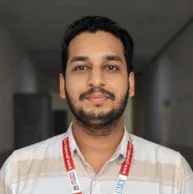 |
| Mr. Rajan Katoch working as an Assistant Professor in the Department of Computer Science and Engineering. I hold degree in M.Tech in Computer Science and Engineering from the Central University of Jammu, where I completed my dissertation on Security Assessment of Modbus and DNP3 Communication Protocols on Hydro-Power Plant Based Industrial Control System (ICS) Testbed. My areas of interest include Cyber Security, Computer Networks, and Cyber-Physical Systems. | 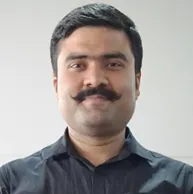 |
| Mr. Umer Zahoor is a Computer Science Engineer with a master's degree in Computer Science and Engineering from the Central University of Kashmir. He holds a minor in Artificial Intelligence from IIT Ropar, specializing in machine learning, deep learning, and NLP.His research includes an interest in AI-powered solutions, with a focus on disease detection and algorithm visualization. He has a published paper on apple leaf disease detection using transfer learning. Umer is skilled in Python, ML/DL, and computer vision and is passionate about solving real-world challenges through innovative technology. |  |
| Mr. Lokesh kumar singh is Assistant Professor in the Department of Computer Science and Engineering at Guru Nanak University with over 8 years of teaching experience.Throughout my academic career, I have been dedicated to imparting quality education, mentoring students, and contributing to the growth of knowledge in Computer Science. | 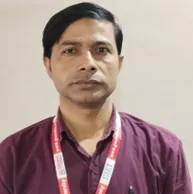 |
| Ms. G. Rashmi is currently serving as an Assistant Professor in the Department of Computer Science and Engineering (CSE) at UIET, Guru Nanak University (GNU). With 7 years of teaching experience and 2 years of industrial exposure, she effectively bridges the gap between academic concepts and real-world applications. Her key areas of interest include Machine Learning and Deep Learning, with a focus on emerging intelligent technologies. She is committed to delivering quality education through innovative and student-centered teaching methodologies, while actively contributing to curriculum development and promoting outcome-based learning. Ms. Rashmi continuously encourages students to build strong technical skills, critical thinking, and hands-on problem-solving abilities to excel in both academics and professional careers. |  |
| Mr. L. Rakesh is a highly dedicated and student-focused academic professional with over 10 years of teaching experience in the field of Computer Science and Engineering.Holds a Master of Technology in CSE, with a strong foundation in core computer science subjects and emerging technologies.Proven expertise in delivering highquality education, curriculum development, academic mentoring, and research guidance.Passionate about fostering an engaging learning environment and equipping students with both theoretical and practical knowledge. |  |
| Mr. Amandeep Singh is an Assistant Professor in the Computer Science and Engineering Department at Guru Nanak University. He holds a master's in Computer Science and Engineering from Thapar University and a B.Tech in Electronics and Communication Engineering from GGSIPU.His expertise lies in AI, machine learning, and data science, with a focus on generative AI and transformer models. Proficient in C, C++, Python, TensorFlow, and PyTorch, he has contributed to projects in emotion detection, image enhancement, and IoT applications. A GATE-qualified professional, he mentors students to prepare them for the tech industry. |  |
| Mr. Agrim Attri is Assistant Professor in Computer Science with expertise in Object-Oriented Programming, Natural Language Processing, and Deep Learning. My research interests include financial data annotation, stock market prediction, and intelligent chatbot systems. I am skilled in Java, Python, and modern deep learning frameworks, with a strong focus on applying theory to practical problem solving. |  |
| Mr. Tarun Sharma is an M.Tech graduate with a strong academic background and a keen interest in Computer Science, Artificial Intelligence, and Machine Learning. He is passionate about research and innovation, and is committed to applying AI/ML technologies to develop practical solutions for real-world challenges. With a strong focus on continuous learning and emerging technologies, he aims to contribute meaningfully to the field through impactful projects and research-driven work. He is also UGC-NET qualified, reflecting his academic competence and dedication to higher education and research. |  |
| Mr. R. Nagender is a Master’s graduate from NIT Surathkal, Karnataka, with strong professional experience in DevOps Engineering. He has worked for nearly 3 years as a DevOps Engineer and gained 2 years of industry experience at Synergist, Bengaluru. Through the same organization, he also acquired 1 year of international exposure while working with Technofact, United Kingdom. In addition to his industry background, he has 11 months of teaching experience. | 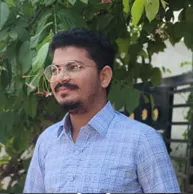 |
| Mr. Ishtiyaq Ahmad Ganie, currently working as an Assistant Professor in the Department of Computer Science and Engineering at Guru Nanak University, Hyderabad. I hold an M.Tech in Computer Science and Engineering from Central University of Kashmir and specialize in Computer Networks , Network Security, Computer Architecture, Software Engineering , Database Management System , Operating Systems, Programming languages (C, C++, JAVA) and Emerging Areas like Cloud , Fog Computing and IoT. I am actively engaged in research on task scheduling in Fog Computing using OpenMP. My academic interests also include Smart Cities, Plant Emotions. |  |
| Mr. Mohd Ishaq I live in hyderabad my qualification is Mtech (cse)i have 3 years' experience in teaching I have strong academic knowledge and teaching skills.Experienced in delivering clear and engaging lectures, guiding students in projects. |  |
Departmental Facilities
Classrooms
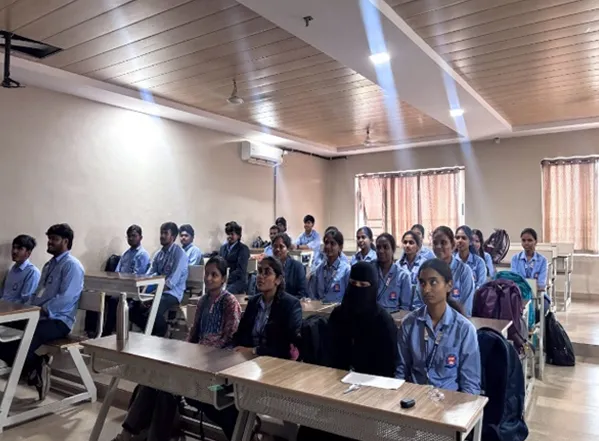
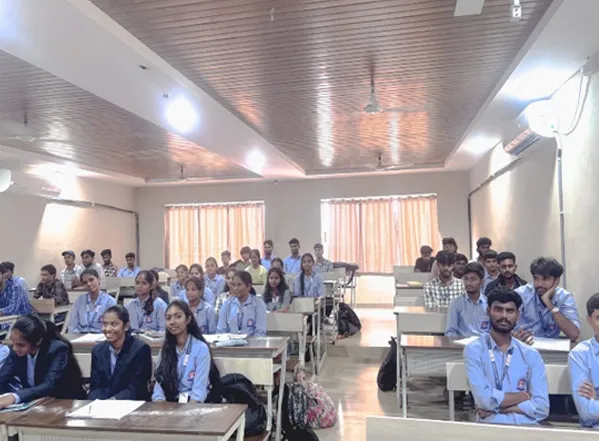
The Department of CSE features premium, climate-controlled classrooms meticulously designed to foster an immersive and sophisticated learning environment. Each facility is integrated with cutting-edge instructional technology, headlined by Interactive Panels, high-definition projection systems, and enterprise-grade connectivity to facilitate the seamless delivery of digital and multimedia content. By harmonizing ergonomic design with advanced pedagogical tools, these spaces cultivate a student-centered atmosphere that promotes high-level engagement and technical excellence.
Laboratory Facility
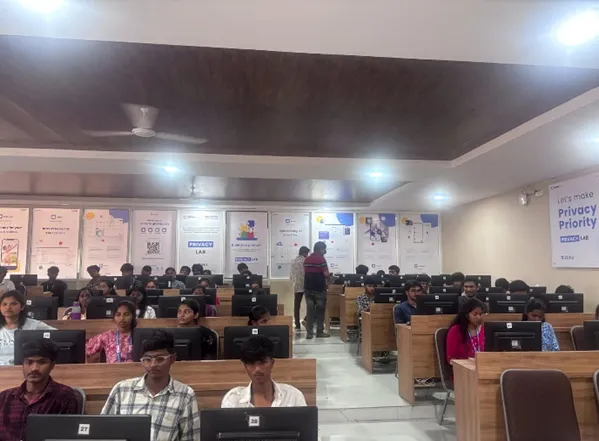
PSP LAB
The Department of CSE houses a well-equipped Python Programming Lab designed to enhance students’ programming and problem-solving skills. The lab is furnished with high-performance computers, updated software, an interactive smart board and high-speed internet connectivity to support practical learning. Students gain hands-on experience in Python programming, data analysis, machine learning, and automation, fostering innovation and computational thinking through real-time implementation of concepts.
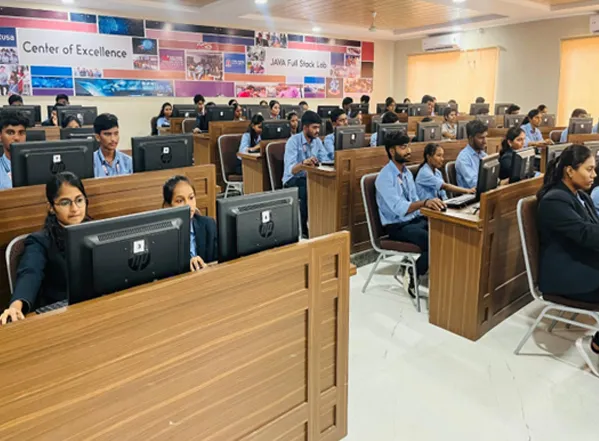
OOPJ LAB
The OOPJ Laboratory provides hands-on training in object-oriented concepts and Java application development using standard IDEs and tools. Students implement core principles such as inheritance, polymorphism, exception handling, multithreading, and file handling through structured experiments and mini-projects, thereby enhancing software design skills and programming proficiency in alignment with outcome-based education.
DS LAB
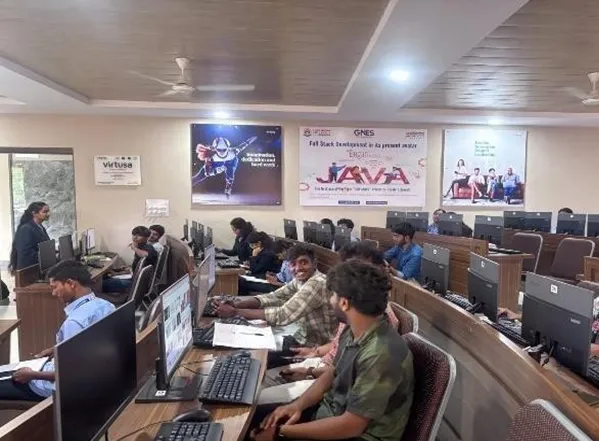
The Data Structures Laboratory enables students to practically implement and analyze fundamental data structures and algorithms using C/C++ or Java. Through hands-on exercises on arrays, linked lists, stacks, queues, trees, graphs, and sorting techniques, students develop strong problem-solving, algorithmic thinking, and efficiency analysis skills aligned with NBA and NAAC requirements.
DT LAB
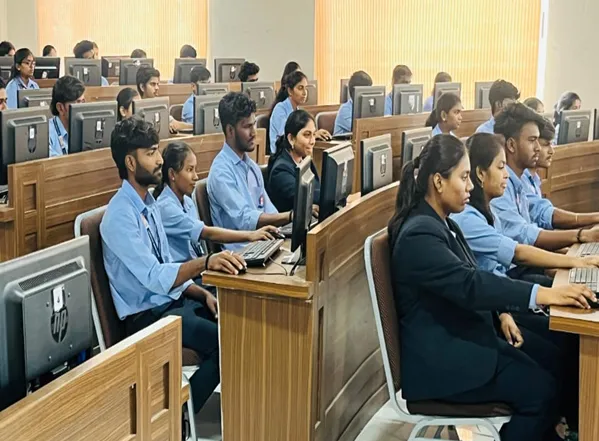
The Design Thinking Laboratory enables B.Tech students to develop creativity, innovation, and problem-solving skills through a human-centered design approach. Students are trained in the design thinking stages—empathize, define, ideate, prototype, and test—to identify real-world problems and develop effective, user-centric solutions. The lab fosters teamwork, critical thinking, and interdisciplinary collaboration while providing hands-on experience with design tools and prototyping resources, thereby preparing students for product development, entrepreneurship, and technology-driven innovation.
List of Software Available
- C / C++ (GCC, G++), Code Blocks
- Java (JDK)
- Python
- Integrated Development Environments (Eclipse, NetBeans, VS Code)
- Database Management Systems (MySQL, Oracle, PostgreSQL)
- SQL Tools (MySQL Workbench, SQL Developer)
- Linux Operating System
- Virtualization Tools (VirtualBox / VMware)
- Shell Programming Tools
- Web Technologies (HTML, CSS, JavaScript, PHP)
- Web Server Tools (XAMPP / Apache)
- UI/UX and Prototyping Tools
- Machine Learning and Data Analysis Tools
List of Equipment Available
- High-performance desktop computers with latest processors, adequate RAM, and storage
- Smart interactive boards and LCD projectors for effective teaching–learning
- High-speed LAN and internet connectivity
- Networked server and storage facilities for centralized data and application access
- Power backup systems and safety equipment to ensure uninterrupted laboratory operation
Admission Process
5.1 General Admission Policy
5.1.1. The minimum entry qualification for admission to programmes shall be as prescribed by the Board of Studies and approved by the Academic Council and Board of Management. Recommendations shall be placed before the Vice-Chancellor for final decision wherever required.
5.1.2. Degrees, diplomas, and certificates considered for eligibility must be awarded by UGC-recognized universities/institutions/boards or equivalent authorities.
5.1.3. Candidates must meet prescribed eligibility criteria related to educational qualifications, age, and other conditions. Provisional admission may be granted if a candidate is likely to meet criteria before the last date of admission. Failure to meet eligibility by the last date will result in cancellation of admission.
5.1.4. Admission may be denied if the candidate has been suspended, rusticated, expelled, or found with unsatisfactory conduct. Appeals shall be considered by the Appellate Committee constituted by the Vice-Chancellor.
5.1.5. Candidates already holding a degree/diploma/certificate in the same programme or discipline shall not be admitted again.
5.1.6. Students must submit undertakings at the time of admission declaring:
- No criminal background or ongoing FIR/case
- Non-possession of weapons on campus
- Commitment to prevent ragging (parental undertaking mandatory)
5.2 Admission of International Students (NRI / PIO / Foreign Nationals)
5.2.1. Admissions are governed by UGC, AIU, and statutory guidelines.
5.2.2. Guidance is provided by the International Students Facilitation Cell.
5.2.3. Admission is based on merit in qualifying examinations.
5.2.4. Eligibility requirements:
- Qualifications recognized by UGC/AIU
- Minimum age 17 years as on 31st December of the preceding year
- Equivalence certificate from AIU is mandatory
5.2.5. Admission priority:
- First: NRI/PIO with Telangana ancestry
- Second: NRI/PIO from other states with sponsorship
- Third: Resident Indians paying foreign currency fees
5.2.6. International students must comply with visa, security clearance, and documentation requirements.
5.3 Student Registration Number
5.3.1. Each student shall be allotted a unique 10-character alphanumeric Registration/Hall Ticket Number valid for the entire programme.
5.3.2. Format: Year – Institute – UG/PG/Doc – Branch/Department Code – Roll Number
5.4 Migration Policy
5.4.1. Migration is allowed from UGC-recognized universities/institutions with at least 70% curriculum equivalence certified by the Equivalence Committee.
5.4.2. Migration is subject to availability of seats and similarity of programme/discipline.
5.4.3. Migration fees, documentation, timelines, and approval procedures are governed by University regulations.
5.4.4. The Vice-Chancellor may permit migration on exceptional/compassionate grounds, subject to Academic Council ratification.
5.5 Intra-Programme (Branch) Transfers
5.5.1. Engineering students may request branch upgradation depending on seat availability and merit.
5.5.2. Applications will be invited, scrutinized, and merit lists prepared. Allocation will depend on merit and availability of seats.
5.5.3. Students remain in their parent branch until official notification of branch change is issued.
5.6 Equivalence Committee
5.6.1. Adjudicates equivalence of programmes/courses studied elsewhere for migration/admission purposes.
5.6.2. Committee Composition:
- Rector, GNU (Convener)
- Director/Dean of concerned Institute
- Chairperson of concerned Board of Studies
- Head of concerned Department
- Subject expert nominated by Vice-Chancellor (if required)
5.6.3. The Committee may suggest additional courses (maximum 3 subjects or 30% of total courses) to attain equivalence.
5.7 Programme Duration and Credit Requirements
5.7.1. Students must complete programmes within twice the minimum prescribed duration, failing which admission shall be forfeited.
5.7.2. Award of certificate/diploma/degree requires completion of prescribed credits with CGPA ≥ 5.0.
5.8 Semester System & CBCS
5.8.1. Academic year is divided into two semesters of 22 weeks each.
5.8.2. Continuous Internal Assessment (CIA) and Semester End Examination (SEE) are conducted as per UGC CBCS guidelines.
5.8.3. Students have the flexibility to choose core, elective, and skill-enhancement courses, supporting interdisciplinary learning and career readiness.
5.9 Course Registration
5.9.1. Students register online for courses each semester with approval from Class Advisor/Mentor.
5.9.2. Registration includes core and elective courses, with additional subjects limited to 4 credits, based on prerequisites and academic progress.
5.9.3. Course registration is final, except for alternate arrangements due to unforeseen circumstances.
5.9.4. Dropping courses requires prior approval within 15 days of semester commencement.
5.10 Attendance Requirements
5.10.1. Minimum 75% attendance required to appear for Semester End Examinations.
5.10.2. Attendance may be adjusted for mid-term exams as per University policy.
5.10.3. Condonation of shortage and readmission due to attendance is as per Examination Regulations.
5.11 Grading System
5.11.1. A 10-point grading system is followed as per UGC guidelines, awarding grades based on CIA + SEE performance.
5.11.2. SGPA and CGPA are calculated to determine overall academic performance.
Career Opportunities
6.1 Student Mentoring and Counselling
Guru Nanak University (GNU) places strong emphasis on student mentoring and career counselling. Each student is assigned a mentor who provides guidance to support academic growth, career aspirations, and personal development. Mentors help students:
- Identify and achieve career goals
- Recognize and address gaps in knowledge or generic skills
- Gain confidence and empowerment in personal development
Mentors maintain a personalized approach, understanding each student’s academic, research, professional, and personal goals. Coordinators and counsellors also evaluate students individually for:
- Low internal exam performance
- Continuous absenteeism
- Difficulty understanding subjects
- Assistance for backlog courses
- Students transitioning from regional medium education
Mentoring helps students feel connected and engaged on campus, promoting overall success and participation in extracurricular and industry-related events.
6.2 Campus Resources and Facilities
GNU provides state-of-the-art facilities to support academic, research, and personal growth:
Classrooms and Tutorial Rooms:
- IT-enabled classrooms with seating for up to 100 students
- Tutorial rooms for 20–40 students
- Equipped with LCD projectors, power supply, and ergonomic furniture
Laboratories and Innovation Centers:
- Equipped with modern tools and equipment for hands-on learning
- Faculty with industry experience provide practical training
- Supports research-based experiments and project development
Knowledge Resource Centre (Central Library):
- Area: 2,000 sqm with seating for 700 students
- Working hours: 8:00 AM – 8:00 PM
- Access to digital libraries and e-journals (IEEE, DELNET, BENTHAM, J-GATE, ASME, ASCE)
- Collection of Indian print journals, general reading, competitive exam books
- MOOC access: NPTEL, Coursera, SP
- Services: Photocopy, printing, book bank for needy students, plagiarism checking
Other Campus Facilities:
- High-speed internet and digital library
- Transport facility for students
- Open access for faculty and students
6.3 Career Development and Placement Support
GNU builds on a rich legacy of campus placements, focusing on preparing students for industry and entrepreneurship opportunities.
Objectives:
- Facilitate placements for final-year students in reputed organizations
- Provide industrial training and practical exposure throughout academic programs
- Organize seminars, lectures, group discussions, mock interviews, and workshops on career guidance, entrepreneurship, and personality development
- Offer guidance for self-employment opportunities and international job prospects
Training and Placement Activities:
- Conducted over 13 technical lectures and industry sessions by experts from HCL, IBI Group, ServiceNow, Deloitte, LTI Mindtree, Hexaware, and others
- Organized mock interviews for 1,500+ students
- MoUs signed with 15+ companies/organizations for internships, industrial training, and recruitment
Career Outcomes:
GNU graduates are equipped with technical knowledge, professional skills, and industry readiness, enabling successful placements across IT, manufacturing, analytics, banking, and research sectors, both in India and abroad.
Departmental Events
Awareness Program on “Drug Abuse and Its Impact on Youth”
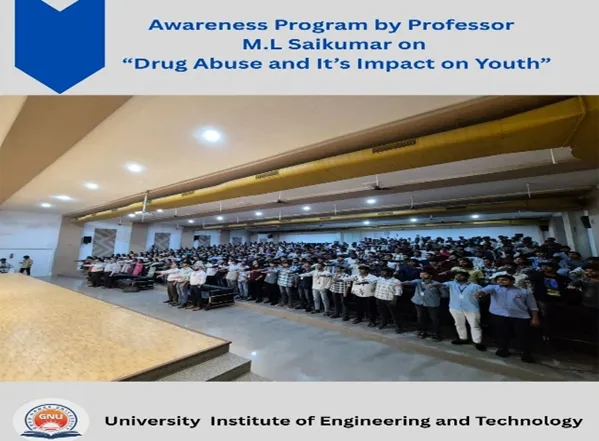
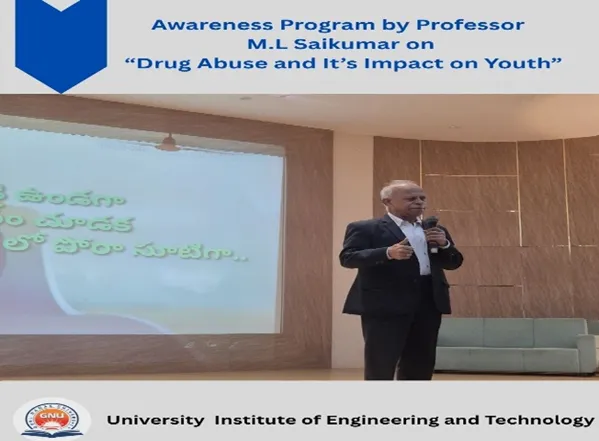
The University Institute of Engineering and Technology (UIET) conducted an awareness session on “Drug Abuse and Its Impact on Youth”, led by Professor M. L. Saikumar. The program aimed to educate students about the harmful effects of drug abuse and promote a healthy and responsible lifestyle among young individuals. Professor Saikumar emphasized the vital role of youth in creating a drug-free society and encouraged students to become active advocates for awareness and positive social change.
Diwali Celebrations
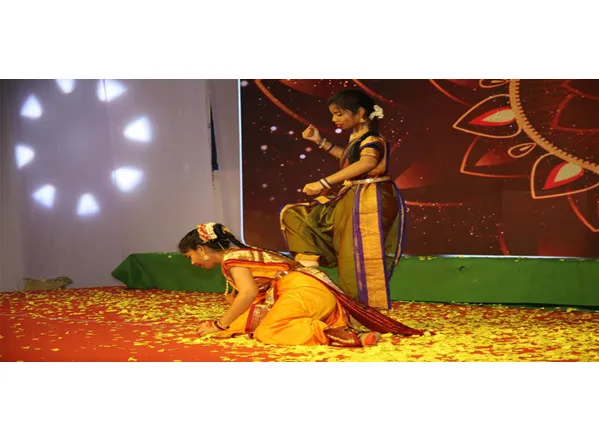
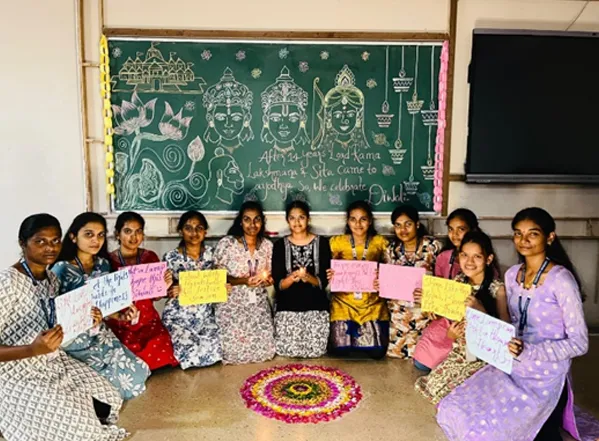
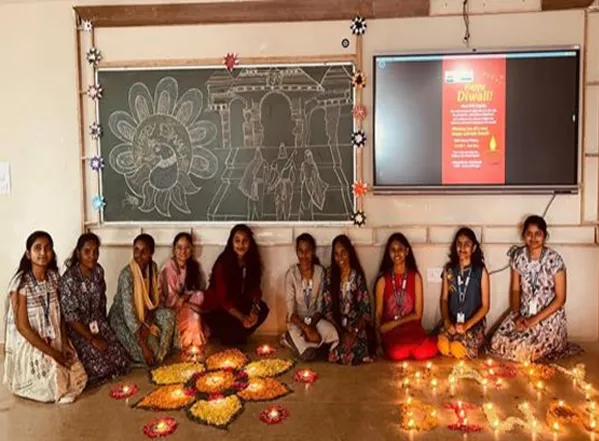
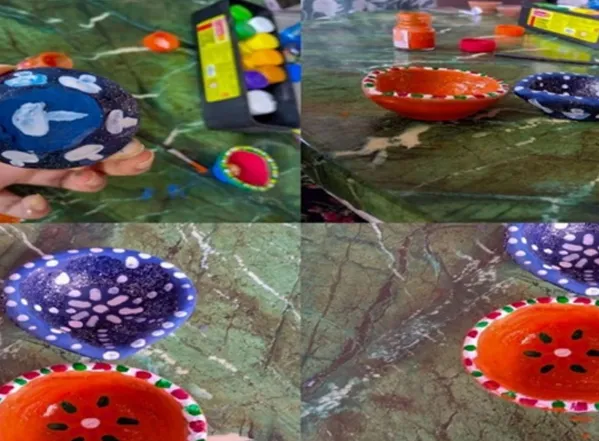
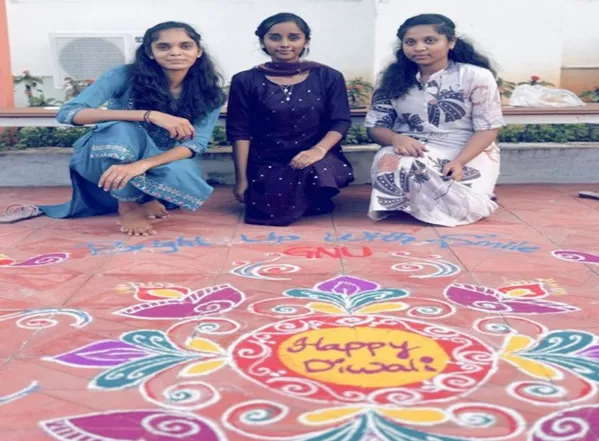
The University Institute of Engineering and Technology (UIET) celebrated the festival of lights, Diwali, with great enthusiasm and joy. The campus was beautifully decorated with diyas, rangoli, and lights, creating a festive and vibrant atmosphere. Students, faculty, and staff came together to celebrate the spirit of unity, happiness, and cultural tradition. Cultural performances, music, and traditional sweets added to the festive cheer, while various competitions and activities engaged students across all departments. The event fostered a sense of community and strengthened the bond among everyone on campus, making the celebration truly memorable.

Engineers Day
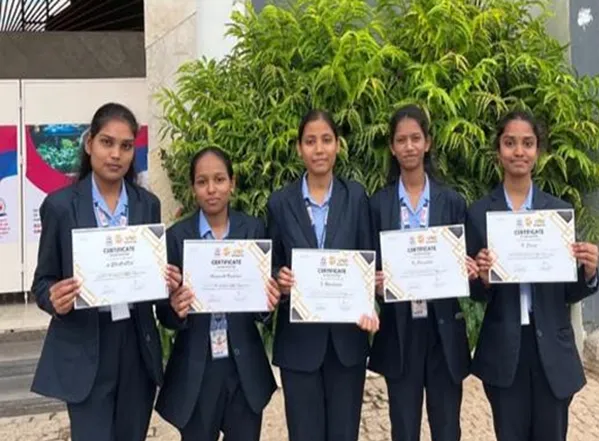
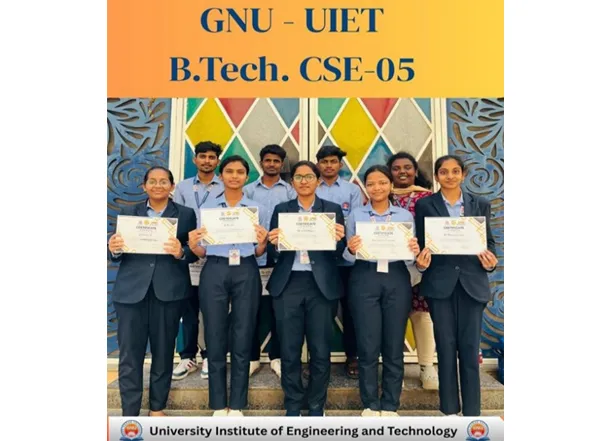
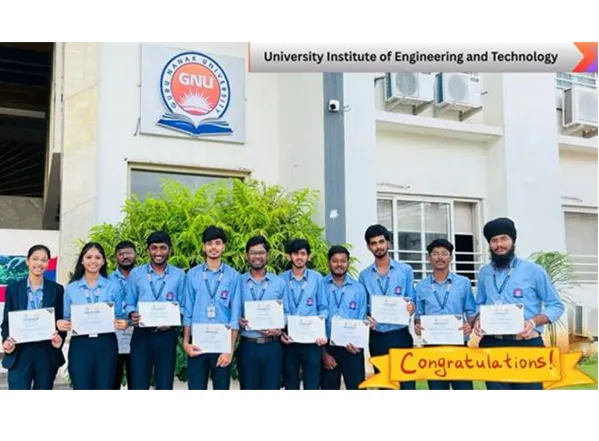
The Department of Computer Science and Engineering celebrated Engineers’ Day with great enthusiasm, honoring the extraordinary contributions of Sir M. Visvesvaraya. The event aimed to inspire innovation, creativity, and technical excellence among students.
A series of engaging and intellectually stimulating activities were organized, including Debugging Code, Technical Quiz, Poster Presentations, and an exciting Escape Room Challenge. These events provided students with a platform to showcase problem-solving skills, teamwork, and technical knowledge.
The celebrations fostered a vibrant atmosphere of learning and collaboration, encouraging students to think innovatively and strengthen their engineering spirit. The event also emphasized the importance of continuous learning, professional growth, and the pursuit of excellence in engineering.
Ganesh Chaturthi Celebrations
The University Institute of Engineering and Technology (UIET) celebrated Ganesh Chaturthi with devotion and enthusiasm. The event commenced with the installation of Lord Ganesha’s idol, followed by traditional rituals and prayers conducted in a serene and spiritual environment. Students, faculty, and staff came together to seek blessings for wisdom, prosperity, and success.The celebration also featured cultural performances, devotional songs, and community participation, fostering a sense of unity and reinforcing the rich cultural traditions of the university. The event provided an opportunity for students to engage in spiritual reflection while celebrating the festival with joy and harmony.

Bathukamma Celebration
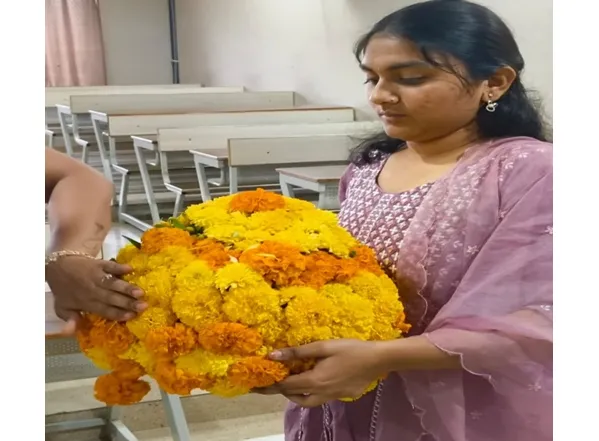
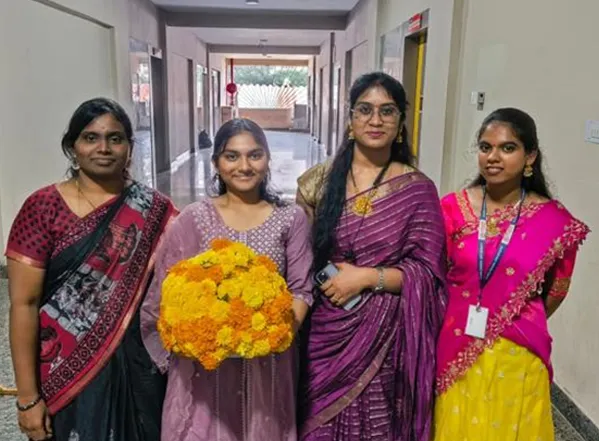
The Department of Computer Science and Engineering (CSE) joyfully celebrated Bathukamma, the vibrant floral festival of Telangana, with great enthusiasm and cultural spirit. Students and faculty came together to create beautifully arranged flower stacks, symbolizing prosperity, harmony, and community.
The event highlighted the rich cultural traditions of Telangana through music, dance, and colorful floral displays. It provided a platform for students to engage in teamwork, creativity, and cultural appreciation, fostering a sense of unity and pride in regional heritage.
IGNUS_2k25
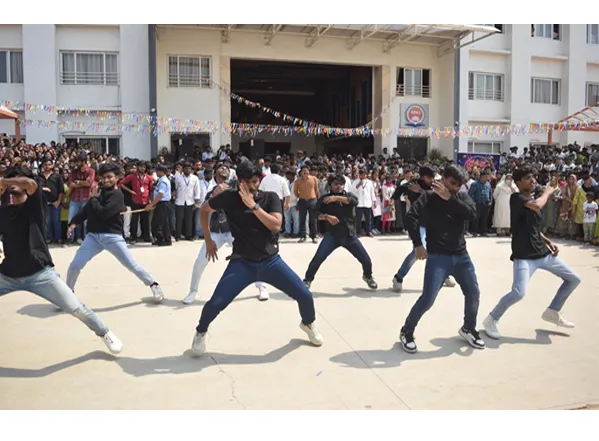
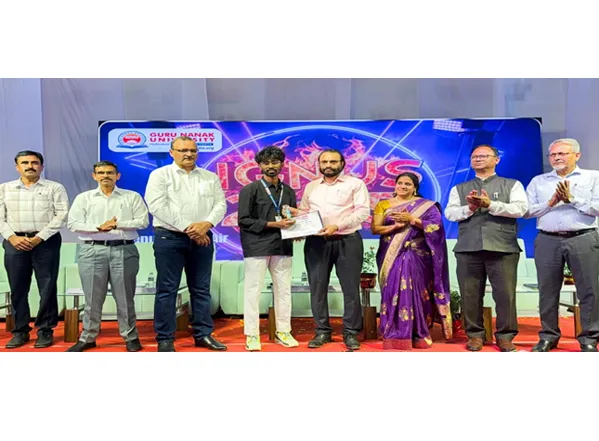
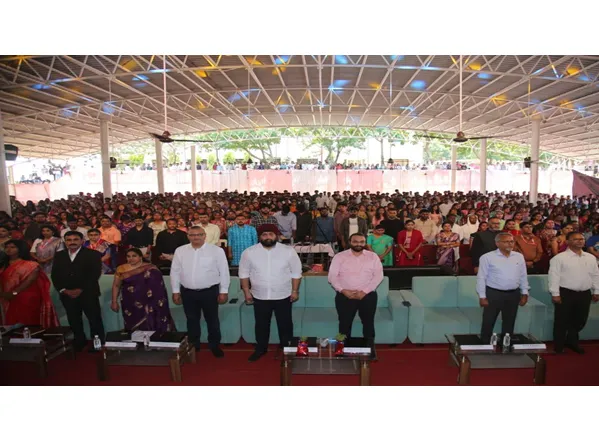
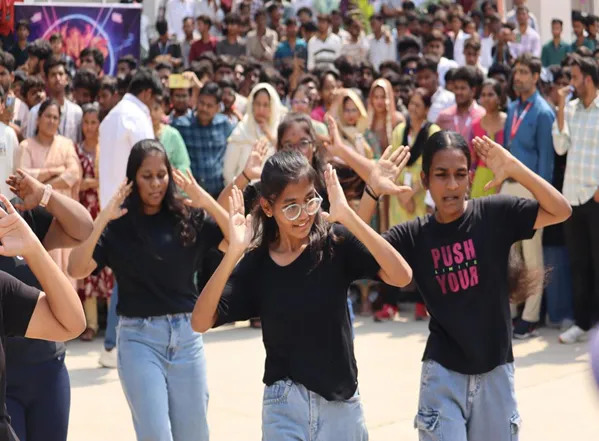
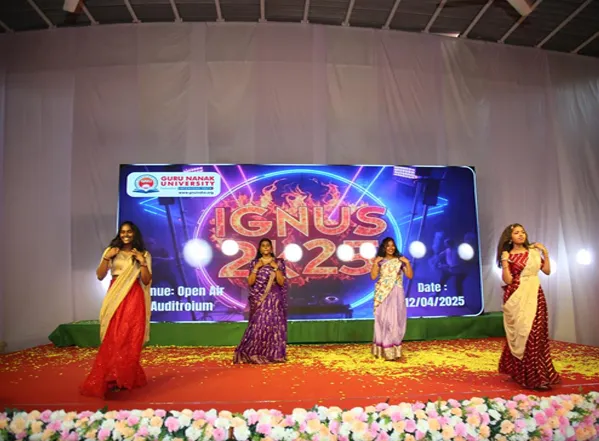
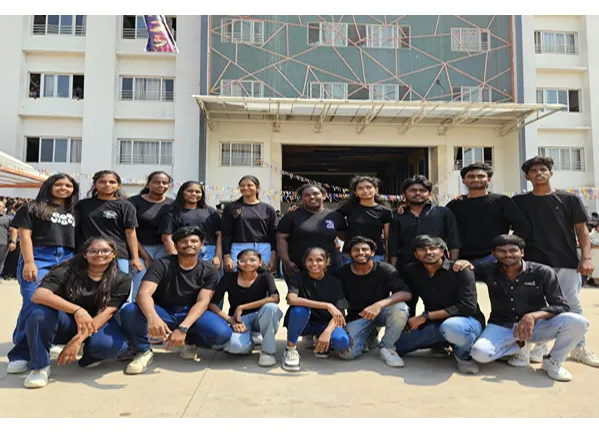
The University Institute of Engineering and Technology (UIET) celebrated its Annual Day – IGNUS 2K25 with great enthusiasm and festive spirit. The event served as a grand platform to recognize and appreciate the achievements of students and faculty in academics, research, and co-curricular activities.
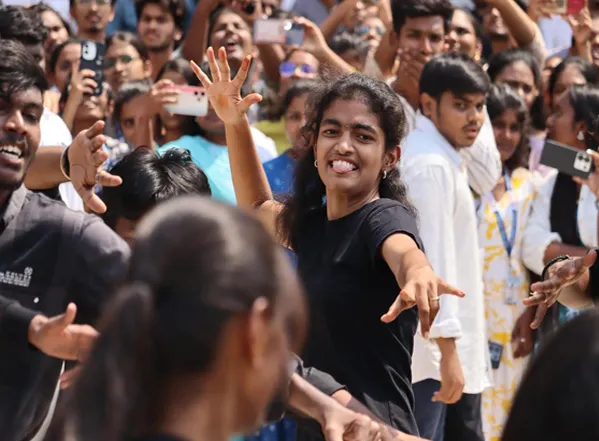
The celebration featured a variety of cultural performances, technical exhibitions, and award presentations that highlighted the diverse talents of UIET students.
The vibrant performances, creative displays, and energetic participation made the event truly memorable.
The Annual Day reflected the institute’s commitment to fostering academic excellence, innovation, and holistic development, bringing together the entire UIET community in a spirit of joy and celebration.

Project Expo
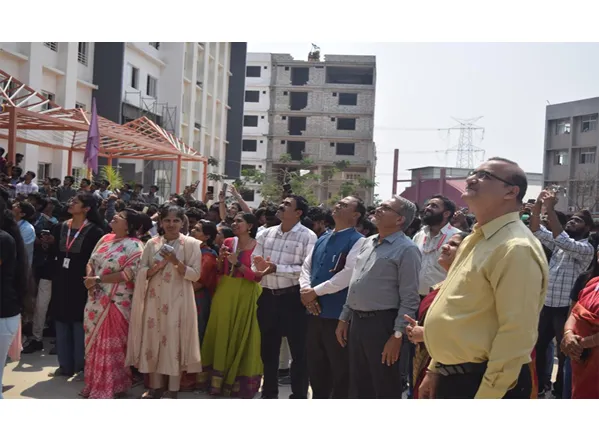
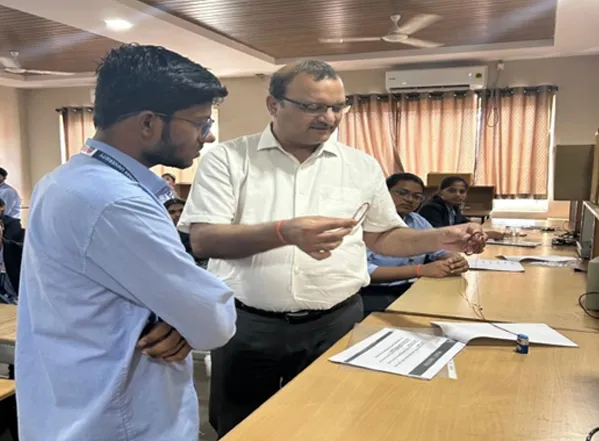
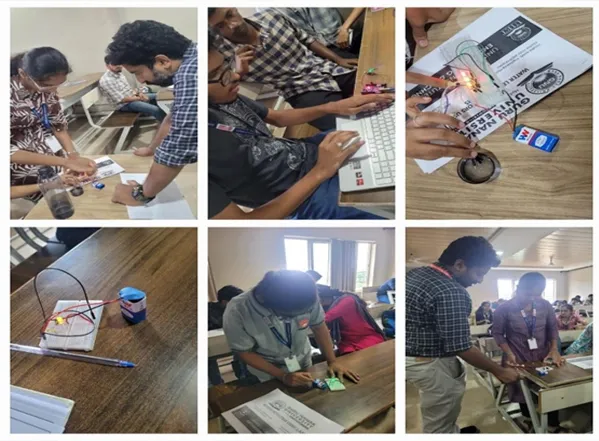
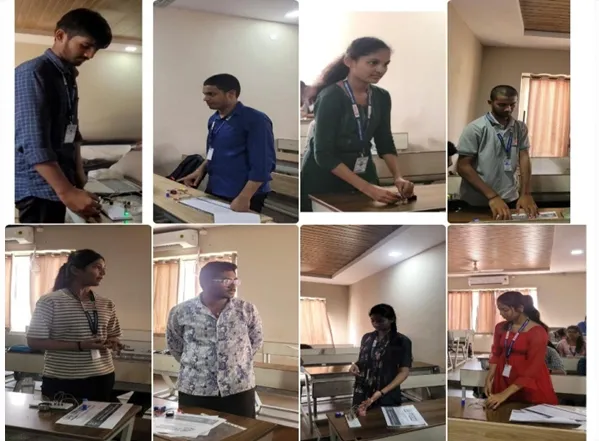
The Department of Computer Science and Engineering organized a Project Expo to provide students with a platform to showcase innovative projects and working prototypes developed as part of their curriculum. The event promoted experiential learning, teamwork, problem-solving, and effective technical communication, aligning with Outcome-Based Education (OBE). Faculty members appreciated the students’ creativity and presentation skills, making the expo a successful academic activity.
Developers Club
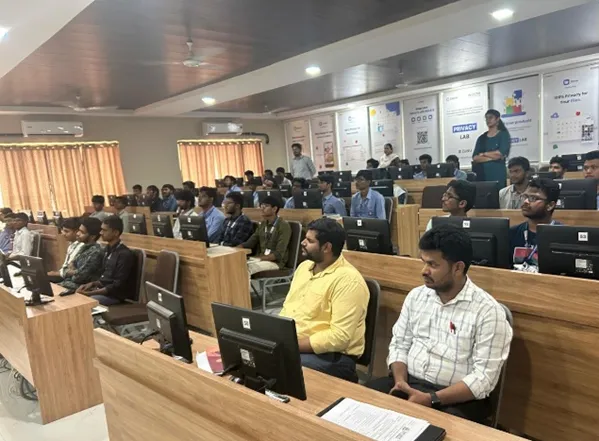
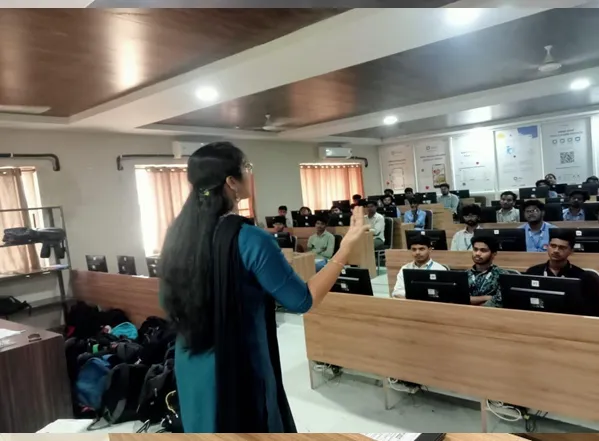
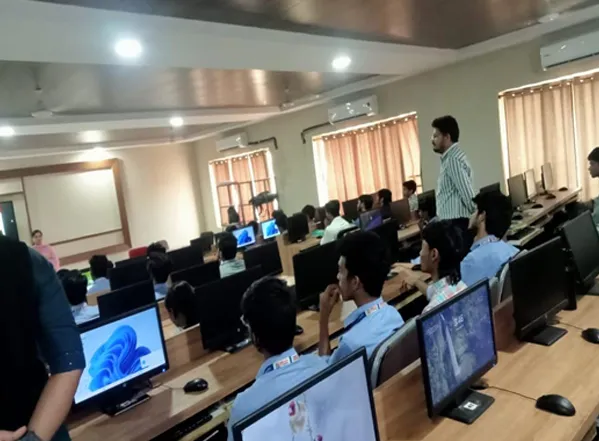
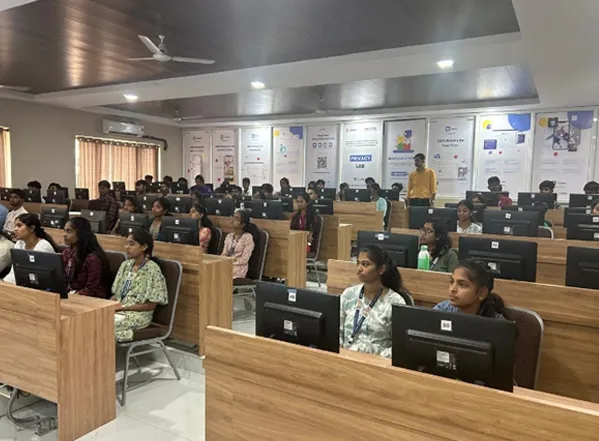
The Developers Club of the Department of Computer Science and Engineering at UIET is a student-driven community dedicated to fostering creativity, innovation, and technical excellence. The club provides a platform for aspiring developers to explore emerging technologies, strengthen programming skills, and collaborate on real-world projects.
Through hands-on workshops, coding challenges, hackathons, and technical talks, the Developers Club encourages critical thinking and innovative problem-solving. Participation in club activities equips students with practical experience, enhances their technical competence, and prepares them for successful careers in the technology sector. The club aims to inspire students to code, create, and contribute to a technologically empowered society.
Khel Mahotsav
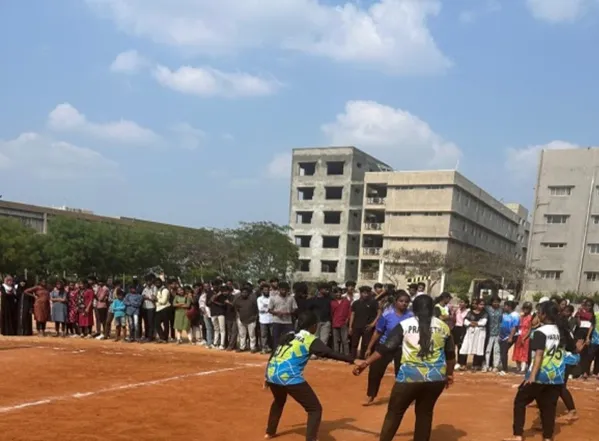
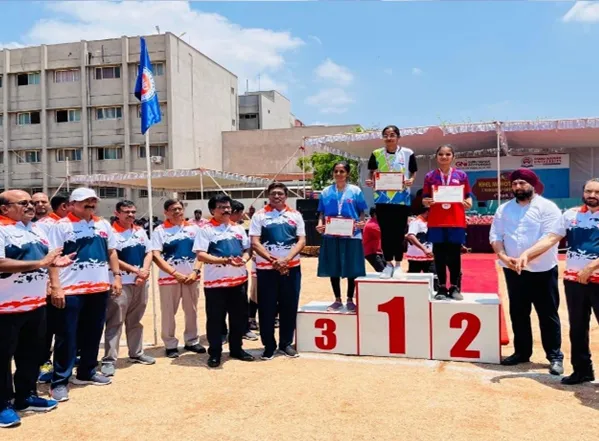
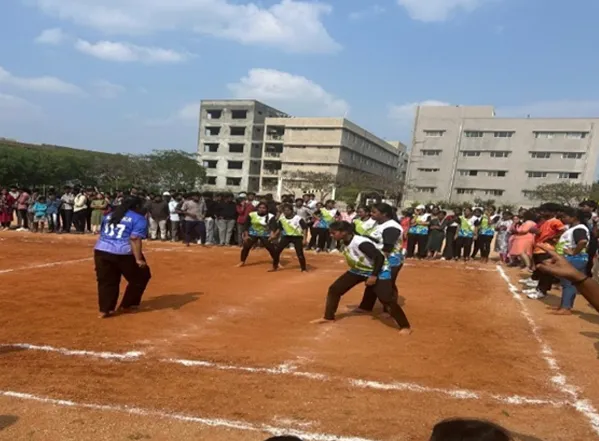
Khel Mahotsav at UIET is a vibrant annual sports festival that promotes teamwork, discipline, and sportsmanship among students. The event brings together participants from various departments to compete in a wide range of indoor and outdoor sports, fostering physical fitness, enthusiasm, and campus unity. Students demonstrate talent and determination in events such as cricket, volleyball, badminton, athletics, kabaddi, football, and chess, among others. Beyond athletic excellence, the festival nurtures leadership qualities, collaboration, and a healthy competitive spirit. With enthusiastic participation and spirited support from across the institute, Khel Mahotsav reflects UIET’s strong commitment to holistic student development, effectively balancing academics with sports, recreation, and fellowship.