
About The Department
Department of Biotechnology, Guru Nanak University
The Department of Biotechnology at Guru Nanak University has emerged as a rapidly growing centre of excellence, committed to advancing teaching, research, and innovation in the life sciences. The department offers a comprehensive range of academic programs, including B-Tech, M-Tech and Ph.D., designed to cater to diverse career aspirations in academia, industry, and scientific research.
The curriculum is rooted in outcome-based education, supported by advanced teaching-learning methodologies. Classrooms are equipped with smart boards, and instruction is enhanced through PowerPoint presentations, digital learning resources, and meticulously curated study notes. The faculty comprises highly qualified educators, all holding Ph.D. degrees from premier institutions such as IITs, NITs, Central Universities (CUs), and State Universities (SUs). The department emphasizes a strong theoretical foundation, complemented by practical, research-oriented training to prepare students for successful professional careers.
State-of-the-art laboratory infrastructure forms the backbone of the department’s academic and research endeavours. Currently operational laboratories include the Biochemistry Laboratory, Microbiology Laboratory, Immunology Laboratory, Molecular Biology and Genetic Engineering (MBGE) Laboratory, and Protein Engineering and Enzyme Technology (PEET) Laboratory. These facilities provide hands-on training in modern biotechnological techniques and research methodologies. To further strengthen the research and innovation ecosystem, the department is planning significant expansions, including the addition of a Bioprocessing and Downstream Processing Laboratory, integration of a Recombinant DNA Technology Laboratory with the existing MBGE Laboratory, and the establishment of a Bioinformatics Laboratory.
The department places a strong emphasis on fostering entrepreneurship, innovation, and industry-oriented learning. Key focus areas include skill development, nurturing a start-up culture, facilitating research projects, providing industrial exposure, and offering internship opportunities to enhance employability and leadership qualities. Through active collaborations with industries, research organizations, and biotechnology companies, the department provides robust placement assistance and career guidance. Students are regularly encouraged to participate in workshops, seminars, industrial training programs, and entrepreneurial activities, ensuring they graduate as future-ready professionals in the biotechnology sector.
Overview
B.Tech. Biotechnology is a 4-year undergraduate program that integrates biology, chemistry, and engineering principles to develop technologies for healthcare, agriculture, food, and the environment. The program provides a balanced mix of theory, practical training, research projects, and industry exposure, preparing students to become skilled professionals in the rapidly growing biotech sector. With state-of-the-art laboratories, industry collaborations, and a semester-long internship, students gain the expertise needed for careers in pharmaceuticals, diagnostics, agriculture, and research.
Highlights
- 3.5 years academic + 6-month industry internship (8th semester)
- Modern labs for molecular biology, microbiology, tissue culture, and bioinformatics
- Guest lectures and tie-ups with biotech industries and hospitals
- Practical & research-driven curriculum aligned with industry needs
- 100% internship guarantee in reputed biotech/pharma companies
- Career guidance, entrepreneurship support & placement assistance
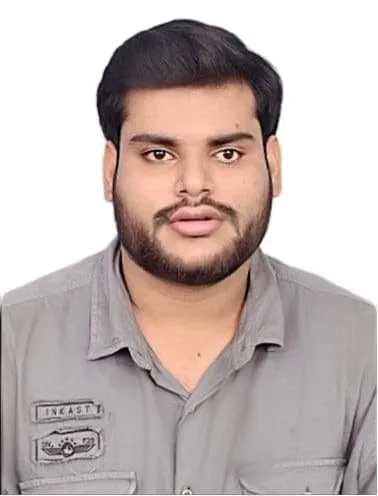
Dr. Prafulla Kumar
Head of Department
Welcome to the Department of Biotechnology
Biotechnology stands at the forefront of scientific innovation, driving transformative change across healthcare, agriculture, environmental sustainability, food technology, and industrial sectors. Our department is dedicated to nurturing the next generation of scientists, researchers, and entrepreneurs by offering a robust blend of quality education, cutting-edge research opportunities, and hands-on practical training.
We follow an outcome-based learning approach, integrating modern pedagogical methods, well-equipped advanced laboratories, research-driven curricula, and strong industry linkages. Our distinguished faculty—drawn from premier institutions—are deeply committed to fostering innovation, analytical thinking, ethical responsibility, and technical mastery. We take pride in cultivating an academic ecosystem that promotes interdisciplinary research, entrepreneurial mindset, skill development, and continuous lifelong learning.
The department continually upgrades its infrastructure, featuring state-of-the-art laboratories and emerging research platforms in key areas such as molecular biology, genetic engineering, bioinformatics, bioprocessing, immunology, and enzyme technology. Through a steadfast commitment to academic excellence, innovation, and collaborative partnerships, we aim to produce competent biotechnology professionals who can make meaningful contributions to society and global sustainability.
I warmly invite aspiring students, dedicated researchers, and potential collaborators to join us in our shared journey toward scientific excellence, transformative learning, and impactful innovation.
Vision
The Department of Biotechnology aims to achieve excellence in science and technology through quality education and ethical research. It focuses on innovation, advanced research, and skill development to prepare biotechnologists capable of solving global challenges and developing cost-effective technologies for society and the environment.
Mission
• To provide quality education, training, and research in biotechnology through a modern and industry-oriented curriculum.
• To develop globally competent biotechnology professionals, innovators, researchers, and entrepreneurs.
• To promote cutting-edge research through sponsored projects and advanced laboratory facilities.
• To align scientific and technical knowledge with industrial and societal needs for continuous innovation.
• To develop ethical, socially responsible, and environmentally sustainable solutions for healthcare, industrial, and environmental challenges.
Program Educational Outcomes (PEOs)
The biotechnology program aims to advance cutting-edge research by establishing interdisciplinary collaborations across institutions. It seeks to build on current achievements, moving beyond numerical success to tackle complex challenges and provide affordable, impactful solutions while expanding knowledge. which will foster interdisciplinary education and research on par with global standards, promoting innovation in biotechnology and related fields. The program will expand educational and training initiatives to maximize the impact of biotech research and align with national goals.
The program's educational objectives include:
• Students will gain in-depth knowledge across biotechnology disciplines, enabling them to pursue research or employment in the field.
• Students will acquire scientific knowledge and technical skills to design innovative processes and products.
• Students will develop the ability to collaborate across disciplines to find solutions in areas such as medicine, agriculture, and the environment.
• Students will uphold strong professional values, ethical attitudes, and social responsibility.
• Students will continuously enhance their skills and promote lifelong learning.
Program Outcomes (POs)
1. Engineering Knowledge: Apply knowledge of mathematics, science, engineering fundamentals, and an engineering specialization to solve complex engineering problems.
2. Problem Analysis: Identify, formulate, review research literature, and analyse complex engineering problems, reaching substantiated conclusions using first principles of mathematics, natural sciences, and engineering sciences.
3. Design/Development of Solutions: Design solutions for complex engineering problems and design system components or processes that meet specified needs with appropriate consideration for public health and safety, as well as cultural, societal, and environmental considerations.
4. Conduct Investigations of Complex Problems: Use research-based knowledge and research methods, including design of experiments, analysis and interpretation of data, and synthesis of information, to provide valid conclusions.
5. Modern Tool Usage: Create, select, and apply appropriate techniques, resources, and modern engineering and IT tools, including prediction and modelling, to complex engineering activities, with an understanding of their limitations.
6. The Engineer and Society: Apply reasoning informed by contextual knowledge to assess societal, health, safety, legal, and cultural issues, and the consequent responsibilities relevant to professional engineering practice.
7. Environment and Sustainability: Understand the impact of professional engineering solutions in societal and environmental contexts, and demonstrate knowledge of and the need for sustainable development.
8. Ethics: Apply ethical principles and commit to professional ethics, responsibilities, and norms of engineering practice.
9. Individual and Team Work: Function effectively as an individual, and as a member or leader in diverse teams and in multidisciplinary settings.
10. Communication: Communicate effectively on complex engineering activities with the engineering community and with society at large, such as being able to comprehend and write effective reports and design documentation, make effective presentations, and give and receive clear instructions.
11. Project Management and Finance: Demonstrate knowledge and understanding of engineering and management principles, and apply these to one’s own work, as a member and leader in a team, to manage projects in multidisciplinary environments.
12. Lifelong Learning: Recognize the need for, and have the preparation and ability to engage in, independent and lifelong learning in the broadest context of technological change.
Program Specific Outcomes (PSOs)
• PSO1: Apply biotechnological concepts and techniques to solve challenges in the healthcare, agriculture, and environmental sectors.
• PSO2: Design, optimize, and scale up biotechnological processes for the development of innovative products in industries such as pharmaceuticals, biofuels, and food technology.
• PSO3: Utilize advanced tools and methodologies in molecular biology, bioinformatics, and genetic engineering for research and industrial applications.
• PSO4: Demonstrate expertise in laboratory practices and adhere to safety standards, ensuring ethical and sustainable biotechnological solutions.
• PSO5: Engage in interdisciplinary collaborations to drive innovation and contribute to advancements in biotechnology and its allied fields.
Dr. Prafulla Kumar
Assistant Professor & Head of Department
Dr. Prafulla Kumar is currently serving as an Assistant Professor and Head of the Department of Biotechnology at UIEMT, Guru Nanak University, Hyderabad. With a strong academic and research background in Plant Molecular Biology and Biotechnology, he is passionate about advancing knowledge, innovation, and practical applications in the field.
He holds a B.Tech. and M.Tech. in Biotechnology from Gautam Buddha University (2018) and earned his Ph.D. in Plant Molecular Biology and Biotechnology from Sardar Vallabhbhai Patel University of Agriculture and Technology, Meerut, in 2023. His doctoral research focused on the molecular characterization and gene expression analysis of wheat (Triticum aestivum L.) under heat stress, providing valuable insights into stress tolerance mechanisms.
Before joining Guru Nanak University, Dr. Kumar worked as a Researcher at the Division of Genetics, ICAR–IARI, New Delhi. His contributions include 28 research publications in reputed NAAS-rated, SCI, and Scopus-indexed journals, 3 authored books, 9 book chapters, 3 patents, and several general articles on topics such as plant stress physiology, edible vaccines, nanobiotechnology, biofertilizers, and sustainable agriculture.
He has been honored with several awards, including the Best Ph.D. Thesis Award (UPCAR, 2023–24) and the Best Faculty Researcher Award (GNU, 2025).
At Guru Nanak University, Dr. Kumar is committed to strengthening the Department of Biotechnology by integrating quality teaching, impactful research, and industry collaboration. His vision is to nurture students into innovative thinkers, problem-solvers, and responsible professionals in biotechnology, agriculture, healthcare, and environmental sustainability.
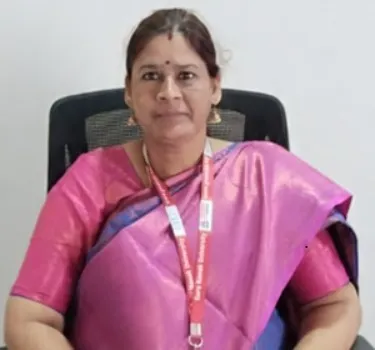
Dr. Jhansi Lakshmi
Assistant Professor
Dr. Jhansi Lakshmi is an esteemed academic and researcher with over 8 years of teaching and research experience in Microbiology, Biotechnology, and Nano-Biotechnology, specializing in cancer nanomedicine and mycology. She currently serves as an Assistant Professor in the Department of Biotechnology at UIEMT, Guru Nanak University.
She earned her Ph.D. in Bio-Nanotechnology from Anna University, Chennai, where her research focused on developing gold nanoparticles using Neosartorya udagawae fungus-based drug delivery systems for colon cancer treatment in animal models.
Dr. Lakshmi has served in faculty positions at Anna University (Chennai & Coimbatore) and Bharath Institute of Engineering & Technology, Hyderabad. She has published seven peer-reviewed papers in leading Scopus and Thomson Reuters indexed journals, with notable contributions in nanoparticle biosynthesis, antimicrobial studies, enzyme purification, and phytochemical investigations.
Beyond research, she has been actively involved in academic administration, organizing workshops, technical events, and laboratory training sessions. She has guided several M.Tech. research projects at Anna University, Coimbatore, and played leadership roles such as Chairman of the Board of Studies and member of the Departmental Research Advisory Committee. She is currently instrumental in establishing state-of-the-art laboratories in the Department of Biotechnology.
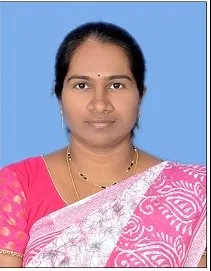
Dr. Sandhyarani
Assistant Professor
Dr. R. Sandhyarani is a dedicated academician and researcher in the field of Biotechnology and Biochemical Engineering, with over a decade of teaching, research, and industrial experience. She currently serves as Assistant Professor in the Department of Biotechnology at University Institute of Emerging Technologies (UIEMT), Guru Nanak University.
Dr. Sandhyarani earned her Ph.D. in Chemical Engineering from the National Institute of Technology (NIT), Rourkela (2020). Her doctoral research focused on “Simultaneous production of antimicrobial agent (2-hydroxyacetohydrazide) and phenol degradation via microbial technology.” She holds a B. Tech in Biotechnolog and M. Tech in Biotechnology from JNTU Hyderabad.
Her research interests include Bioprocess Engineering, Industrial Biotechnology, Environmental Biotechnology, Microbial Technology, Downstream Processing, Fermentation Technology, and Molecular Biology. She has published several research papers in reputed national and international journals, including SCI-indexed journals, and has presented papers at international conferences. She has also contributed book chapters with reputed publishers such as IGI Global and CRC Press.
Dr. Sandhyarani has filed a patent titled “Studies on designing Seaweed-Based Probiotic Supplement for Gut Microbiota Modulation” (2025), reflecting her innovative research orientation toward sustainable biotechnology and functional foods. In addition to her research contributions, she has organized workshops, faculty development programs (FDPs), webinars, internships, and international conferences.
She has coordinated multiple academic and industry-interaction events, including training programs on vaccine analytical methods and biotechnology fundamentals. She has also delivered lectures on fermentation technology and bioprocess applications in food systems.She has successfully guided numerous B.Tech projects in Biotechnology and Food Technology and actively mentors students in research and career development.
Her technical expertise includes microbiological techniques, bioreactor operations, chromatography (HPLC, GC), spectrometry, and downstream processing techniques’. R. Sandhyarani has a total professional experience of over 14 years, comprising more than 6 years of research experience, over 6 years of teaching experience in Biotechnology and Biochemical Engineering, and approximately 1.5 years of industry experience in Microbiology.
With a strong academic background and interdisciplinary expertise, Dr. Sandhyarani has contributed significantly to teaching, research, laboratory management, accreditation processes, and student mentoring. She has served as Microbiology and Biochemical Engineering Lab In-charge, Placement Coordinator, Skill Trainer, and Class Mentor. She was actively involved in NBA documentation for departmental accreditation renewal (2023), demonstrating her commitment to academic quality and institutional development.Through her dedication to teaching, research excellence, innovation, and student mentorship, Dr. Sandhyarani continues to contribute meaningfully to the advancement of biotechnology education and sustainable bioprocess development.
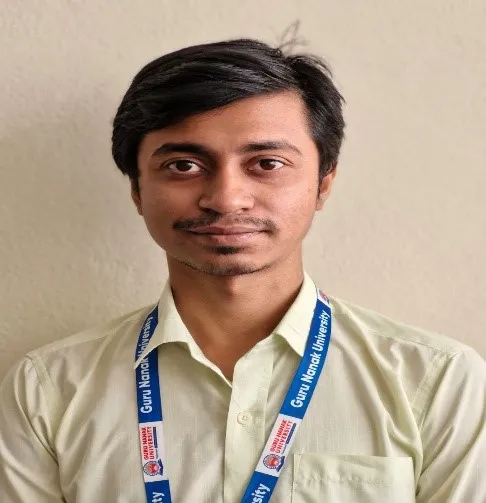
Mr. Subhankar Chakraborty
Assistant Professor
Mr. Subhankar Chakraborty is an academician with professional experience in Electrical Engineering, engineering education and academic coordination. He is currently working as an Assistant Professor at University Institute of Emerging Technologies (UIEMT), Guru Nanak University in the department of Electronics & Communication Engineering. His academic background includes postgraduate specialization in Microelectronics and VLSI Technology and undergraduate training in Electrical Engineering.
He completed his M.Tech in Microelectronics and VLSI Technology from Maulana Abul Kalam Azad University of Technology (MAKAUT – In House) in 2022 and earned his B.Tech in Electrical Engineering from JIS College of Engineering, affiliated to MAKAUT, in 2019.
His academic foundation is further supported by Higher Secondary and Secondary education under the West Bengal State Boards. Mr. Chakraborty has professional teaching experience in higher education, where he is involved in teaching core electrical engineering subjects including Network Theory, Power Systems, Electrical Machines, Control Systems, Power Electronics, HVDC Systems, Renewable and Non-Conventional Energy, and Energy Conservation and Audit.
His teaching approach emphasizes conceptual clarity, practical understanding and student engagement. Alongside teaching, he actively contributes to departmental academic administration. He has undertaken significant academic projects, including work on minimization of torque ripple in switch reluctance motors and high-speed ALU design using redundant number systems, reflecting his interest in both power systems and VLSI-oriented research domains.
His professional responsibilities extend beyond classroom teaching. He served as the Joint Convenor of the Renewable Energy Club and as the MAR Coordinator of the Electrical Engineering Department, at IIE, contributing to academic planning, student activities and institutional quality processes. Mr. Chakraborty has participated in multiple industrial trainings and technical seminars, including exposure to power plants, railway electrical systems, automobile electronics applications and renewable energy systems. He has also completed QEEE-certified modules in Linear Integrated Circuits and Electrical Machines, demonstrating continuous professional development. His skill set includes teaching, team management, project monitoring, decision-making, presentation and coordination. He is proficient in English, Bengali and Hindi. His academic and professional activities reflect a sustained commitment to engineering education, student development and institutional responsibilities

Ms. Anshu Priya
Assistant Professor
Ms. Anshu Priya is an academician, researcher, and professional with expertise in teaching, research, human resource management, and communication. She currently serves as an Assistant Professor in Management at the Department of Biotechnology, UIEMT, Guru Nanak University, Hyderabad.
She has completed her MBA in Strategic Human Resource Management (Chandigarh University, 2023–2025) and holds a B.A. (Hons.) in English from Quantum University, Roorkee, where she graduated as a topper. Her research interests include postmodern literature, communication studies, and the intersection of language and society. She has published on postmodernism in And the Mountains Echoed and actively presented at national and international conferences.
She has taught undergraduate and postgraduate students in English, HRM, and communication, with expertise in lesson planning, curriculum design, and skill development. Her teaching emphasizes a student-centered approach that blends theory with practical application.
Alongside academics, she has industry experience as an HR Manager in the IT sector, where she contributed to recruitment, staff training, and employee engagement. She also has over five years of experience as a Social Media Manager and Content Writer, enhancing digital presence and brand outreach.
Her skill set spans writing, research, publishing, HR management, social media strategy, and digital communication. She is proficient in English, Hindi, and French (B1).
A dedicated professional, Ms. Priya integrates academic and industry experience to inspire students, enhance communication skills, and encourage critical thinking about language, literature, and society.
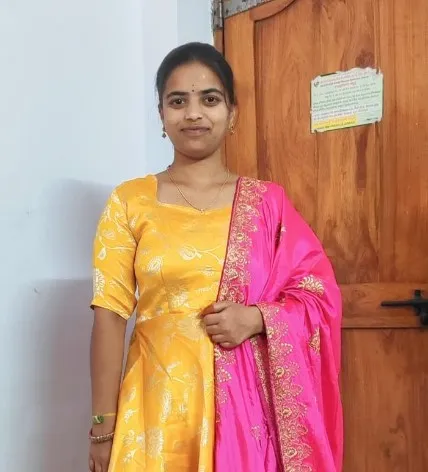
Ms. Ganduri Varalaxmi
Lab Technician
Ganduri Varalaxmi is pursuing her M.Sc. in Biochemistry at Osmania University, Hyderabad, with a strong academic background in Biological and Chemical Sciences.
She completed her B.Sc. (MBBZ) at Nagarjuna Degree College, followed by Intermediate (BiPC) at Nalanda Junior College, and SSC from Vignana Vardhini High School.
Her academic and research interests include biomolecular analysis, protein purification, bioinformatics, and molecular biochemical methods. She has hands-on experience in laboratory techniques such as affinity chromatography, quantitative analysis of biomolecules, and method optimization.
She has also undertaken certifications in Molecular Biochemical Methods and Bioinformatics Tools for Genomics and Proteomics, strengthening her technical expertise and research skills.
Passionate about learning and innovation, Varalaxmi is dedicated to advancing her knowledge in life sciences while contributing to teaching, laboratory research, and collaborative projects.
Course Description
The B.Tech. Biotechnology program at Guru Nanak University is designed to provide students with a strong foundation in biological sciences, engineering principles, and modern biotechnological tools. The curriculum integrates molecular biology, genetics, biochemistry, microbiology, bioinformatics, and process engineering, enabling students to address real-world challenges in healthcare, agriculture, environment, and industry.
Program Duration
- B.Tech. Biotechnology is a 4-year undergraduate program spread across 8 semesters.
- 3.5 years of classroom learning, laboratory training, projects, and seminars.
- 0.5 year (8th Semester) dedicated to full-time industry internship/research project in reputed biotech companies or research institutes.
Eligibility
- 10+2 or equivalent with Physics, Chemistry, and Biology/Mathematics as core subjects.
- Admission through merit/entrance examination as per university norms.
Course Objectives
- To impart in-depth knowledge of fundamental and applied aspects of biotechnology.
- To train students in laboratory techniques, computational tools, and analytical methods.
- To develop problem-solving skills for addressing industrial, agricultural, medical, and environmental challenges.
- To prepare students for higher education, research, and professional careers.
Faculty & Laboratory Facilities
The Department of Biotechnology is equipped with state-of-the-art laboratories that provide comprehensive practical training, research exposure, and hands-on experience in modern biotechnological techniques. Each laboratory is designed to bridge theoretical knowledge with real-world applications, ensuring skill development aligned with academic and industrial requirements.
2nd Year 1st Sem
Biochemistry Laboratory (24EMBTPC306U)
The Biochemistry Laboratory focuses on the analysis and characterization of biomolecules essential for life processes. It is equipped to perform qualitative and quantitative estimation of proteins, carbohydrates, lipids, enzymes, and nucleic acids. Students are trained in preparing buffers, performing titrations, enzyme assays, and spectrophotometric analysis.
The lab provides practical exposure to techniques such as protein estimation (Lowry, Bradford methods), enzyme kinetics, and biochemical reaction analysis. It helps students understand metabolic pathways, molecular interactions, and biochemical processes at the cellular level. Emphasis is placed on precision, accuracy, and reproducibility of experimental results, which are critical for research and industrial applications.
List of Experiments
- 1. Preparation of buffer solution and measurement of pH.
- 2. Qualitative tests for amino acids.
- 3. Protein precipitation and denaturation.
- 4. Estimation of protein by Lowry’s method or Bradford assay.
- 5. Qualitative analysis of carbohydrates.
- 6. Quantitative analysis of reducing sugars (DNSA method) and proteins (Biuret method).
- 7. Extraction and qualitative analysis of lipids.
- 8. Determination of saponification value of fats.
- 9. Isolation and quantification of DNA from plants.
- 10. To study activity of any enzyme under optimum conditions (Enzyme kinetics using amylase).
Microbiology Laboratory (24EMBTPC307U)
The Microbiology Laboratory is designed for the study of microorganisms and their applications. It provides facilities for microbial isolation, cultivation, staining, and identification. Students are trained in aseptic techniques, sterilization methods using autoclaves, and culture handling under laminar airflow systems.
The laboratory supports experiments related to microbial growth kinetics, antibiotic sensitivity testing, and environmental microbiology. Advanced equipment such as incubators, microscopes, and orbital shakers help in maintaining controlled growth conditions. This lab is essential for understanding microbial diversity, industrial microbiology processes, and applications in health, agriculture, and environmental management.
List of Experiments
- 1. Introduction, laboratory safety, use of equipment; sterilization techniques.
- 2. Microscopy – working and care of microscope.
- 3. Isolation of pure culture from environmental samples — serial dilution.
- 4. Media preparation — solid and liquid.
- 5. Pure culture techniques — inoculating, streaking, and spreading.
- 6. Microbial growth characteristics — growth curve.
- 7. Staining techniques – simple, differential (Gram’s staining).
- 8. Hanging drop technique.
- 9. Spore staining.
- 10. Antibiotic sensitivity assay.
Immunology Laboratory (24EMBTPC308U)
The Immunology Laboratory focuses on the study of immune responses and immunological techniques. It is equipped with instruments such as ELISA readers, centrifuges, and PCR systems to support advanced immunological experiments. Students learn techniques related to antigen-antibody interactions, immunoassays, and diagnostic methods.
The lab enables research in disease detection, vaccine development, and immune system analysis. It provides practical training in handling biological samples, serum separation, and molecular immunology techniques. This facility is crucial for understanding immune mechanisms and their applications in medical biotechnology and diagnostics.
List of Experiments
2nd Year 2nd Sem
Molecular Biology & Genetic Engineering (MBGE) Laboratory (24EMBTPC406U)
The Molecular Biology and Genetic Engineering Laboratory serves as a core facility for advanced molecular research and training. This lab enables students to perform essential techniques such as DNA and RNA isolation, polymerase chain reaction (PCR), agarose gel electrophoresis, and gene cloning. It provides exposure to modern genetic tools used in genomics, transcriptomics, and recombinant DNA technology.
Students gain hands-on experience in gene expression analysis, plasmid preparation, restriction digestion, and transformation techniques. The laboratory plays a crucial role in understanding molecular mechanisms underlying biological systems and supports research in genetic modification, crop improvement, and disease diagnostics. Integration with advanced facilities also allows interdisciplinary work in bioinformatics and molecular diagnostics.
List of Experiments
- 1. Isolation of Genomic DNA from Plant or Bacterial Cells
- 2. Analysis of DNA Replication Using Pulse-Chase Labeling (Demonstration or Simulation)
- 3. In Vitro Transcription and Translation Assay
- 4. Bisulfite Conversion Assay for DNA Methylation Detection
- 5. Restriction Digestion and Ligation for Gene Cloning
- 6. Transformation of E. coli with Recombinant Plasmid
- 7. PCR Amplification and Agarose Gel Electrophoresis
- 8. Western Blotting to Detect Protein Expression
- 9. Gene Transfer in Bacteria using Heat-Shock Method
- 10. CRISPR-Cas9 Gene Editing in Bacteria (Simulation or Lab Demo)
Protein Engineering and Enzyme Technology (PEET) Laboratory (24EMBTPC407U)
The PEET Laboratory is dedicated to the study and application of enzymes and proteins in biotechnology. It provides training in enzyme purification, immobilization techniques, and enzyme activity optimization. Students learn about enzyme kinetics, catalytic efficiency, and factors affecting enzyme activity such as temperature, pH, and inhibitors.
This laboratory also introduces students to protein engineering concepts, including modification of enzyme structure for enhanced performance and industrial applications. It supports research in industrial biotechnology, pharmaceuticals, and bio-based product development. The lab bridges the gap between theoretical enzymology and its practical applications in industries such as food, pharmaceuticals, and biofuels.
List of Experiments
- 1. Determination of Protein Concentration using UV-Visible Spectroscopy
- 2. Protein Profiling using SDS-Page: To separate proteins based on molecular weight using SDS-PAGE.
- 3. In-silico Analysis of Protein Structure using Online Tools (e.g., SWISS-MODEL or PyMOL). Identification of enzymes in different sources.
- 4. Isolation of Alpha Amylase from different sources.
- 5. Determination of Alpha Amylase enzyme activity.
- 6. Specific activity of Alpha Amylase.
- 7. Determination of Km and Vmax of œ Amylase.
- 8. Enzyme immobilization and entrapment in sodium alginate gel.
- 9. Site-Directed Mutagenesis Simulation (Dry Lab): To simulate the design of site-directed mutagenesis to alter a specific amino acid residue.
- 10. Protein Precipitation using Ammonium Sulfate: To isolate and partially purify proteins from a solution using ammonium sulfate precipitation.
3rd Year 1st Sem
Bioprocessing Laboratory (Upcoming) (24EMBTPC506U)
The Bioprocessing Laboratory is being established to provide training in industrial biotechnology and large-scale biological production processes. The laboratory will focus on fermentation technology, operation of bioreactors, and optimization of growth conditions for microbial and cell cultures. Students will gain practical exposure to media preparation, fermentation kinetics, and process monitoring techniques used in industrial production systems.
The laboratory will support learning and research in biopharmaceutical production, industrial microbiology, and food biotechnology. It will help students understand scale-up processes and modern bioprocess engineering techniques essential for biotechnology industries and research organizations.
- 1. Sterilization and Preparation of Bioreactor for Fermentation Processes
- 2. Estimation of Microbial Growth Kinetic Parameters in Batch Culture
- 3. Determination of Volumetric Oxygen Transfer Coefficient (kLa) in a Fermentation System
- 4. Determination of Mixing Time in a Stirred Tank Bioreactor
- 5. Preparation and Performance Evaluation of Immobilized Enzymes and Immobilized Cells in Bioprocess Applications
- 6. Study on the Effect of Temperature on Microbial Growth Kinetics
- 7. Study on the Effect of pH on Microbial Growth and Enzyme Activity
- 8. Media Optimization Using Plackett–Burman Experimental Design
- 9. Media Optimization Using Response Surface Methodology (RSM)
- 10. Pretreatment of Lignocellulosic Biomass for Bioethanol Production
Recombinant DNA Technology Laboratory (Upcoming) (24EMBTPC507U)
The Recombinant DNA Technology Laboratory will focus on genetic manipulation and advanced molecular cloning techniques. It will provide facilities for gene cloning, vector construction, DNA amplification, and recombinant protein production.
Students will gain practical knowledge of transformation, gene expression systems, and genetic engineering tools used in biotechnology research. The lab will support applications in transgenic development, vaccine production, and biopharmaceutical research. Integration with the MBGE laboratory will allow seamless execution of advanced molecular experiments and interdisciplinary research.
List of Experiments
- 1. Demonstration of Restriction Enzyme Star Activity and Isoschizomers (Data-based/Plate-based)
- 2. Enzyme Activity Demonstration: DNA Ligase vs Alkaline Phosphatase (Concept + Instructor Demo)
- 3. Demonstration of DNA Polymerases: Klenow Fragment vs Taq Polymerase vs Reverse Transcriptase (Principle + Application Sheet)
- 4. Study of Cloning Vector Features using Vector Maps (pBR322 & pUC series)
- 5. Study of Bacteriophage and Artificial Chromosome Vectors (λ, M13, Cosmids, BACs, YACs)
- 6. Blue–White Screening Interpretation (Given plates/images/data)
- 7. Genomic vs cDNA Library Workflow Design (Construction and Screening)
- 8. Study of Promoters, Enhancers and Expression Vectors (Prokaryotic vs Eukaryotic Systems)
- 9. Affinity Purification Strategy Planning (His-tag / GST-tag) + Flowchart Preparation
Biosafety, Ethics and IPR Case Study (DBT/GEAC framework + Patent basics)
3rd Year 2nd Sem
Bioinformatics Laboratory (Upcoming) (24EMBTPC603U)
The Bioinformatics Laboratory is being established to provide training in computational biology, biological data analysis, and modern bioinformatics tools. The laboratory will focus on the analysis of genomics, proteomics, and transcriptomics data using specialized software, databases, and computational techniques. Students will gain hands-on experience in sequence alignment, phylogenetic analysis, molecular docking, protein structure prediction, and biological data visualization.
The laboratory will support interdisciplinary research in drug discovery, precision medicine, agricultural biotechnology, and systems biology. It will help students develop computational and analytical skills required in biotechnology industries, healthcare, pharmaceuticals, and research organizations, preparing them for emerging fields in data-driven biological research and innovation.
- 1. Retrieval of nucleotide and protein sequences from GenBank and UniProt.
- 2. Use of Entrez, PDB-BLAST search, and database comparison.
- 3. BLAST search and interpretation of results.
- 4. Multiple alignments using Clustal and tree-building.
- 5. Gene prediction on sample genomic sequence.
- 6. Motif identification and domain annotation (PROSITE/Pfam).
- 7. Visualization of protein structures using PyMOL/Chimera.
- 8. Homology modeling using online tools (SWISS-MODEL) and structure validation.
- 9. KEGG pathway mapping and analysis.
- 10. Molecular docking (AutoDock/Vina) of small ligand with protein
Downstream Processing Laboratory (Upcoming) (24EMBTPC604U)
The Downstream Processing Laboratory is being developed to provide hands-on training in the recovery, separation, and purification of biomolecules from biological products. Students will gain exposure to techniques such as filtration, centrifugation, extraction, precipitation, and chromatography used in product purification and quality analysis.
The laboratory will support research and industrial applications related to biopharmaceuticals, enzymes, vaccines, and bio-based products. It will prepare students for careers in industrial biotechnology, pharmaceutical manufacturing, and product development by providing practical knowledge of modern purification and product recovery techniques.
List of Experiments
- 1. Cell Disruption by Physical Methods for Intracellular Product Recovery.
- 2. Cell Disruption by Chemical Methods for Biomolecule Extraction.
- 3. Protein Separation by Ammonium Sulphate Precipitation.
- 4. Extraction of Biomolecules Using Aqueous Two-Phase Systems (ATPS).
- 5. Separation and Purification of Biomolecules by Column Chromatography.
- 6. Protein Separation by Gel Filtration (Size Exclusion Chromatography).
- 7. Separation and Identification of Biomolecules Using Thin Layer Chromatography (TLC).
- 8. Purification of Proteins by Ion Exchange Chromatography.
- 9. Protein Purification by Affinity Chromatography.
- 10. Crystallization and Drying of Bio products Using Different Drying Techniques.
Career Opportunities
Graduates of B.Tech. Biotechnology have multiple career pathways:
- Job Roles: Research Scientist, Bioprocess Engineer, Quality Control Analyst, Clinical Research Associate, Biotech Entrepreneur
- Workplaces: Pharmaceutical & Biotech Companies, Food & Beverage Industry, Hospitals & Clinical Labs, Agricultural & Environmental Organizations, Research Institutes & Universities
- Higher Education: M.Tech./M.Sc. Biotechnology, Bioinformatics, Biomedical Engineering; MBA in Biotechnology Management; Ph.D. in Biotechnology & Life Sciences
Minor Project (7th Semester)
- Duration: One semester (short-term project)
- Areas Covered: Microbiology, Biochemistry, Tissue Culture, Bioinformatics Applications, Enzyme Technology, Bioprocess Studies, and Applied Biotechnology.
- Description: Students undertake a short-term internship or project work in biotechnology-related domains. This includes mini research projects, case studies, or industry-linked assignments. The focus is on developing basic research methodology, technical documentation, teamwork, and presentation skills, which prepare students for the major project in the 8th semester.
Major Project (8th Semester)
- Duration: One full semester
- Areas Covered: Molecular Biology, Genetic Engineering, Bioprocess & Fermentation Technology, Bioinformatics, Plant & Animal Biotechnology, Environmental Biotechnology, and Healthcare Biotechnology.
- Description: Students undertake a full-fledged research or industry-linked project that involves experimental design, data collection, analysis, and interpretation. Projects may be carried out in university laboratories, biotech industries, hospitals, or research institutes. This experience equips students with practical problem-solving skills, research aptitude, and professional exposure.
Evaluation
- Monthly feedback reports
- Attendance & discipline
- Project Work & Internship Report
- Viva-Voce and Presentations
Program Outcomes
- Apply scientific knowledge and engineering principles to biotechnology.
- Demonstrate competence in laboratory skills, analytical techniques, and data interpretation.
- Design and implement solutions for healthcare, agriculture, and environmental sustainability.
- Pursue careers in research, industry, or entrepreneurship.
- Exhibit professional ethics, teamwork, and communication skills in multidisciplinary environments.
Testimonials
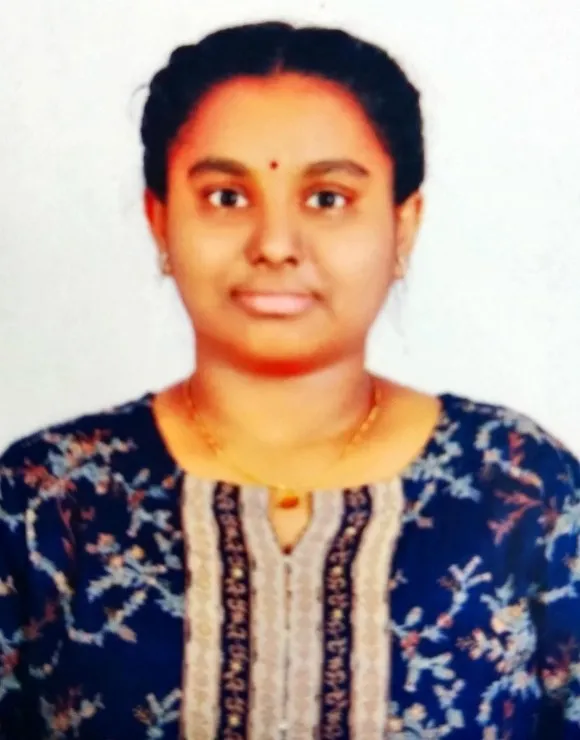
Mynampati Venkata Naga Sai Srinidhi
Biotechnology
University Institute of Emerging Technologies (UIEMT)
University Institute of Emerging Technologies Biotechnology Department provides exceptional faculty mentorship and advanced labs that perfectly prepare students for the biotech industry.
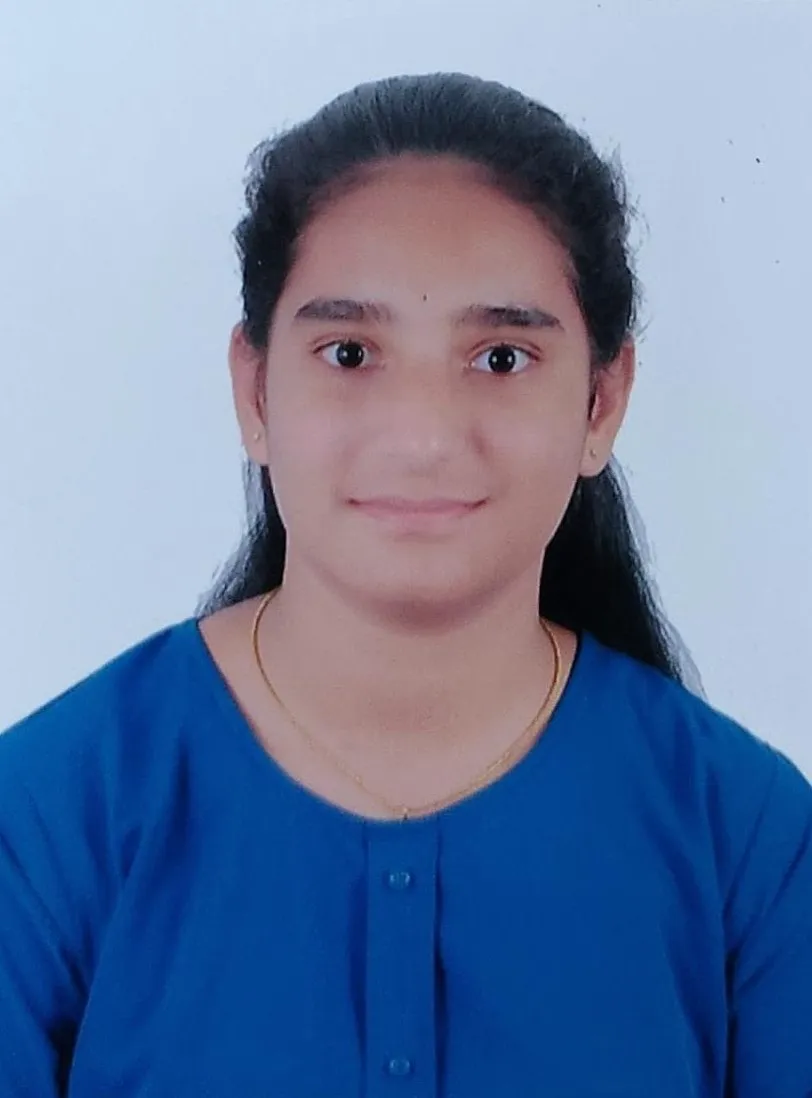
R. Sanjana
Biotechnology
University Institute of Emerging Technologies (UIEMT)
I am proud to be a student of University Institute of Emerging Technologies currently pursuing biotechnology.The University provides a supportive environment with knowledgeable faculty and well equipped labs. Faculty are highly supportive.My Branch has helped me build strong fundamentals and practical skills preparing me for future opportunities.

K. Jogendhar Prakash
Biotechnology
University Institute of Emerging Technologies (UIEMT)
The college not only provides quality education but inspired me a lot to dream big and achieve them with great confidence. The supportive faculty and positive environment and endless opportunities for learning and growth have helped me improve both academically, personally and made me face the future with confidence .
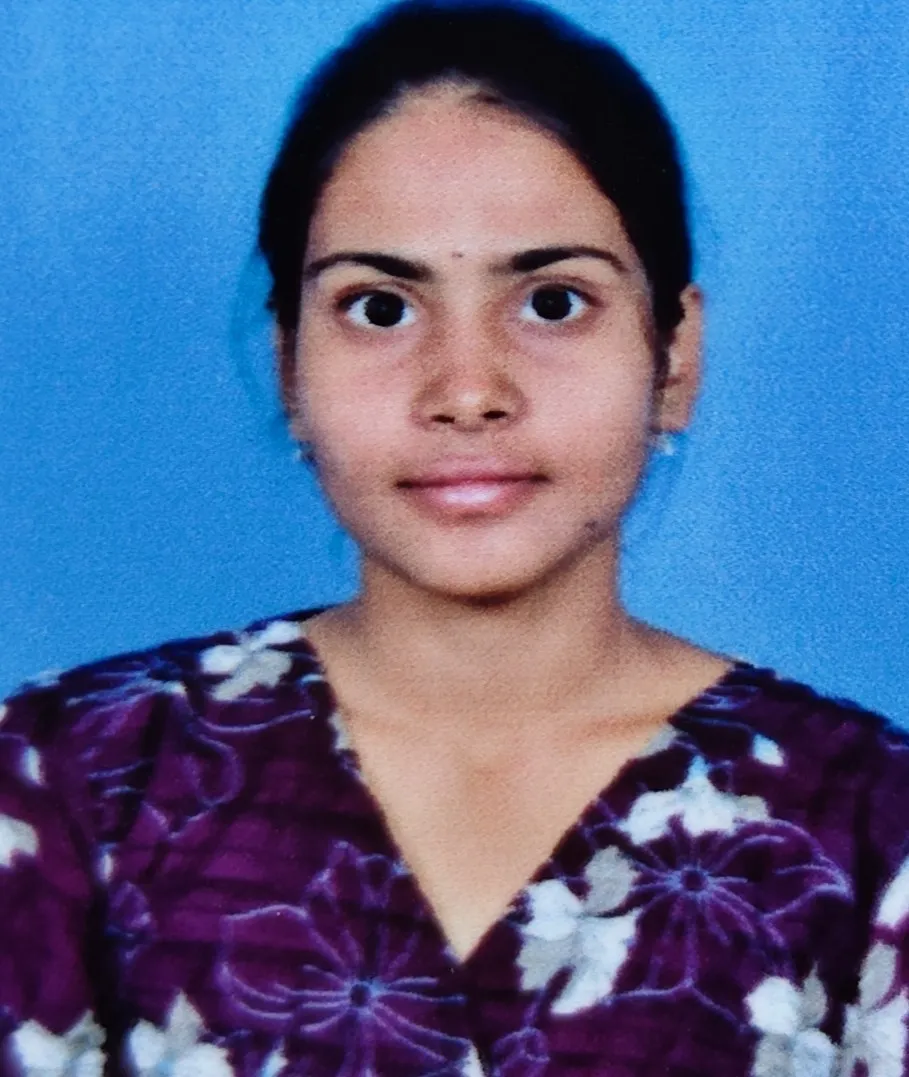
G.Tejaswini
Biotechnology
University Institute of Emerging Technologies (UIEMT)
The Biotechnology branch at University Institute of Emerging Technologies has supportive faculty, good lab learning, and a friendly environment that helps students gain practical knowledge and skills.
Samudrala Bindusiri
Biotechnology
University Institute of Emerging Technologies (UIEMT)
Grateful for my journey in the B.Tech Biotechnology branch at University Institute of Emerging Technologies , where I gained knowledge, opportunities, confidence, unforgettable memories, and experiences that shaped both my academic and personal growth.It is an experience that helped me grow personally and academically.